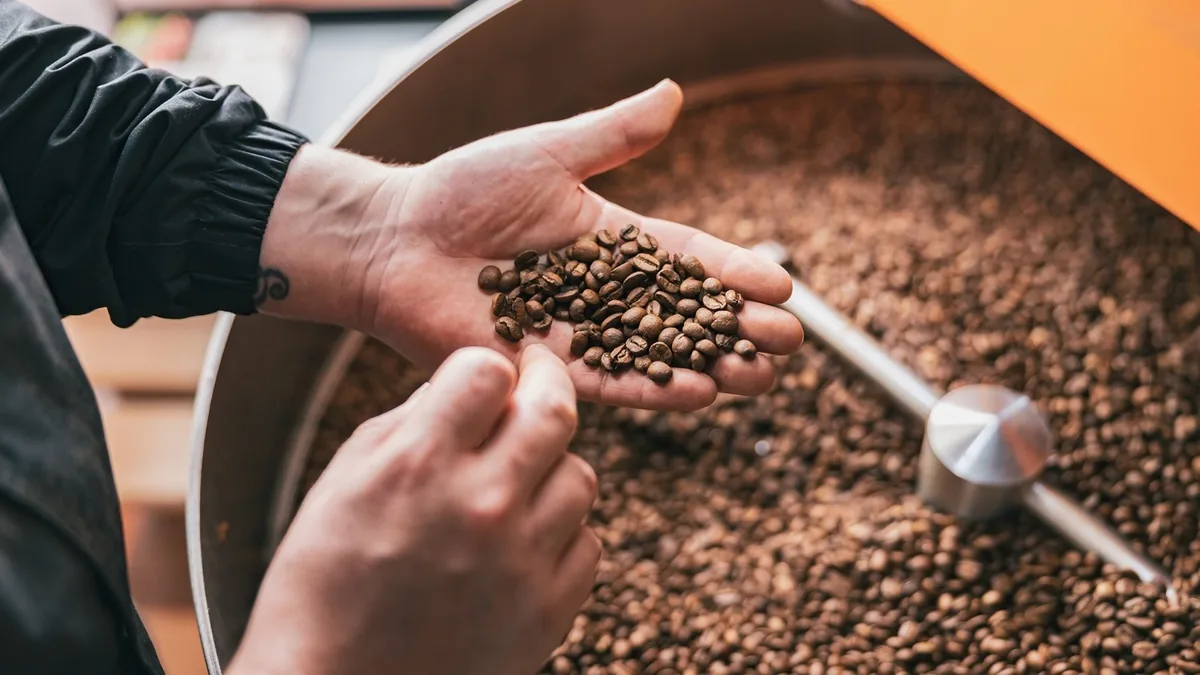
Premium vs. Regular Coffee: What sets them apart?
Knowing the difference between regular and premium coffee can transform how you appreciate your daily brew. Premium coffee stands out through factors such as bean quality, careful selection, growing conditions, and precision in roasting. These elements create a more flavorful, balanced, and enjoyable experience.
But it’s not just about origin or process, everything from the aroma and flavor profile to consistency and appearance can signal a higher standard. Learning to recognize these subtle but essential details helps you identify truly high-quality coffee.
Bean quality and grading
One of the most important factors that distinguishes premium coffee is the quality and grading of the beans. In the coffee industry, bean quality is assessed through a grading system that evaluates factors such as size, defects, and overall appearance . Grade 2, known as "Premium Coffee Beans," allows up to 8 full defects and a maximum of 3 quakers (unripe or poorly roasted beans) per 300 grams. These strict standards ensure a cleaner, more refined flavor, and a uniform roast. In contrast, lower-grade beans, often found in regular coffees, may contain more defects, leading to inconsistencies in flavor and quality.
Sourcing and origin
Where your coffee comes from plays a big role in its taste and overall quality. Premium coffee is typically sourced from regions known for their ideal growing conditions — such as altitude, climate, and soil composition — which contribute to unique flavor profiles and aromatic qualities.
For instance, Ethiopian coffees are celebrated for their complex and fruity flavors with floral undertones, while Colombian beans are known for their smooth, well-balanced taste . This connection to origin also supports small farms and encourages sustainable, traceable farming practices. Regular coffee, however, is often mass-produced with less emphasis on the distinct characteristics imparted by specific origins.
Flavor profiles and aroma
One of the most noticeable differences between regular and premium coffee is in the flavor and aroma. Premium coffee is recognized for its rich scent and layered flavor profile, often reflecting the region and processing methods used.
For example, Kenyan beans typically deliver vibrant acidity with fruity, wine-like undertones, while Sumatran coffee tends to be deeper, with earthy and spicy characteristics. In comparison, regular coffee usually has a more generic or flat taste, lacking the depth and distinct notes that define higher-quality brews.
Processing methods
The way coffee beans are processed after harvesting significantly affects the final flavor. Premium coffees typically undergo meticulous processing methods that enhance their natural characteristics. A common example is the washed (wet) process, where the fruit is removed from the bean before drying, resulting in a cleaner and brighter flavor .
Alternatively, naturally (dry) processed beans are dried with the fruit still intact, resulting in sweeter, fruitier notes . Regular coffees may not receive this same level of attention, often resulting in less refined or distinctive flavors.
Why quality beans matter
Understanding what defines premium coffee helps you better appreciate the craft behind each cup. It’s not just about stronger flavor or a smoother texture; it’s about the story behind the beans, the care in their production, and the richness they bring to your daily routine. Taking the time to recognize these details can make your coffee experience more meaningful and satisfying.