What Is Ube? The Purple Trend Taking Over Coffee
Pronounced “oo-bay,” ube is a purple yam traditionally used in Filipino cuisine. It has a naturally vibrant purple color and a mildly sweet, nutty flavor that makes it easy to spot and even easier to turn into something delicious.
And apparently, the internet agrees. Ube has gone from a beloved ingredient in Filipino food culture to a popular flavor showing up in everything: ice cream, pastries, matcha, lattes, and other creative drinks.
So, Why Is Ube Suddenly Everywhere?
First, there’s the color. Ube has the kind of naturally vibrant purple shade that practically asks to be photographed. In the world of food trends, that definitely helps.
But it’s not all about looking good on your feed. Ube brings a flavor that is sweet, creamy, and subtly nutty, giving familiar drinks and desserts a completely different personality. It also fits perfectly into the growing interest in colorful, globally inspired flavors that give people something new to try.
Basically, ube checked all the boxes: interesting flavor, eye catching color, and serious social media potential.
Ube Has Entered the Menu
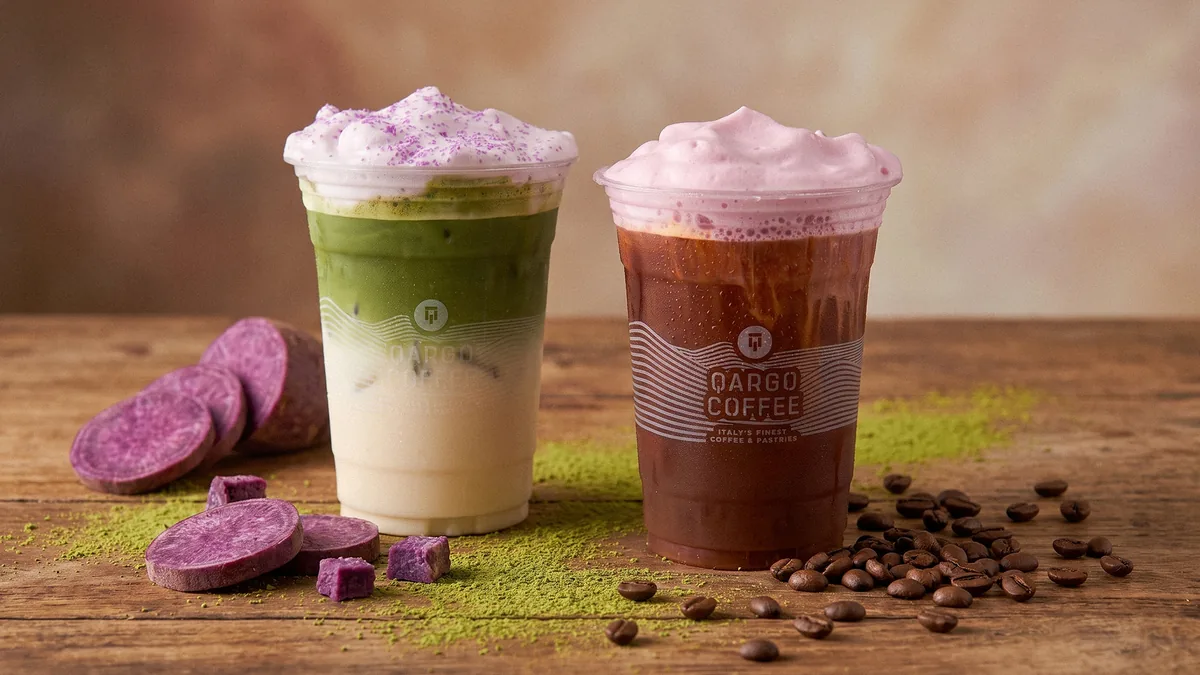
At Qargo Coffee, we’re giving the ube trend a seasonal twist with two limited time fall drinks.
The Ube Spiced Cold Brew combines smooth cold brew and pumpkin pie flavor with creamy ube cold foam, creating a refreshing coffee with a sweet, colorful finish.
The Dolce Pumpkin Matcha takes a different route, bringing together earthy matcha, pumpkin pie, and coconut milk, finished with ube cold foam and coconut flakes. Creamy, colorful, and definitely not your everyday matcha.
Two drinks, two different ways to discover ube, and both are here for a limited time this fall.
Spoiler: more ube creations might be coming.
Is Ube Here to Stay?
That’s the fun part about food trends. Some disappear as quickly as they arrive, while others become flavors people keep coming back to.
Ube has already moved beyond its traditional uses and into modern food and beverage culture, giving it plenty of room to keep evolving.
For now, we’re happy to let purple have the spotlight.